top of page

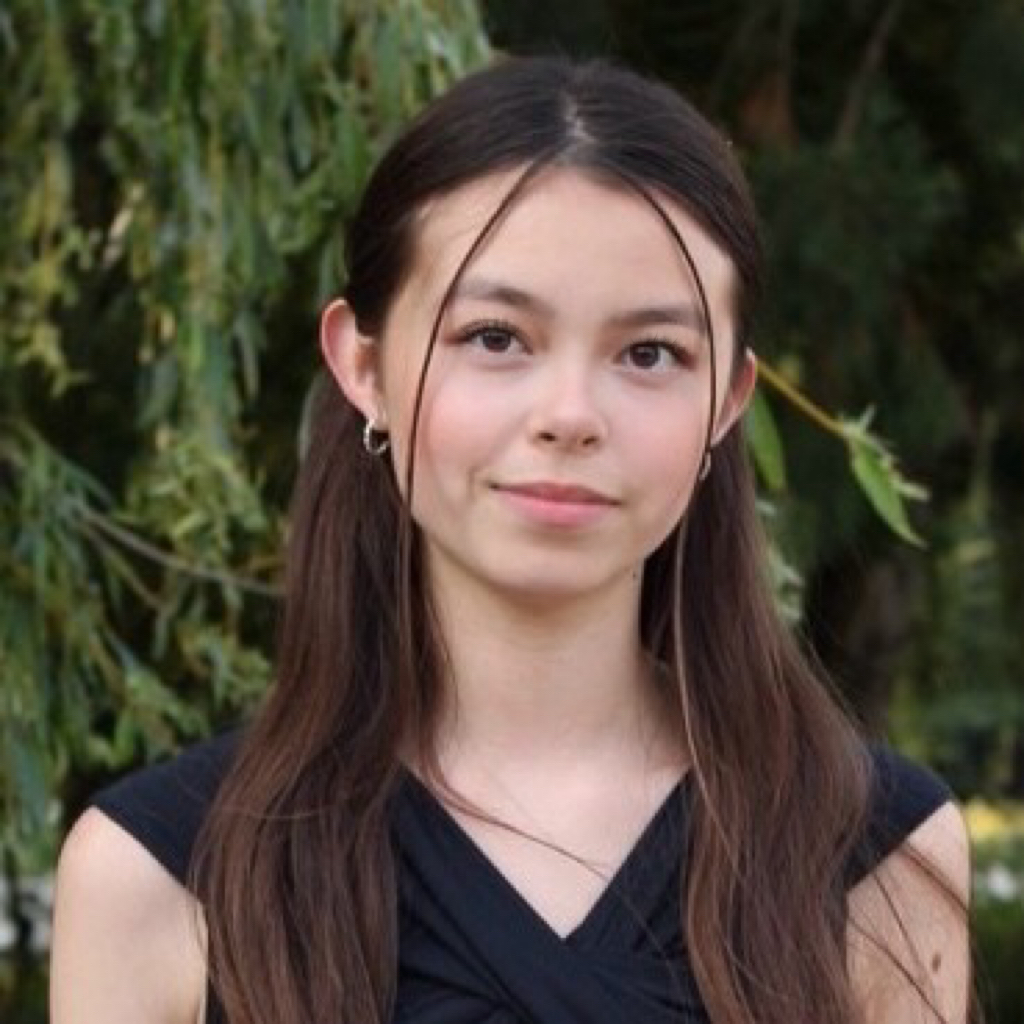
by Mikaela Brewer, ​for The 44 North

Senior Editor


Green Extended Mic Logo
“I remember, when I was younger, I would dream about having a megaphone. In the dream, I’d be speaking to everyone—setting everyone free. I just love that; telling everyone things to encourage them to rebel. I feel like poetry is that. The poems that I want to include in Extended Mic will be, of course, meaningful, and they’ll have to speak to people and say something.”

Editor's Note: A few weeks ago, on October 27th, I was catching up on emails and messages. I’d just had all four wisdom teeth removed a few days prior, and debated whether or not to venture into Instagram. For some reason, I decided to check, and in my DMs was a message from Extended Mic’s founder, Mariana, inviting me to a Season 1 launch event. It was that evening, so I couldn’t attend, but a door had been opened…


I soon learned that Extended Mic fosters an editorial production where spoken word poets put everything on the line; they redefine poetry in a way that’s never been seen. Mariana and I began chatting, and I knew Extended Mic would be a perfect fit for our December Artist Spotlight. We decided to record the spotlight in person, in Toronto. After meeting for coffee and realizing we shared many artistic and poetic ideas, interests, and passions, we captured the honest, authentic, and poet-centred interview you see below. 


I dearly hope you enjoy the video and written versions of our conversation as much as we did. 


Before we begin, let’s take a moment to spotlight Extended Mic’s Season 1 Poets and their stunning poetry.


Extended Mic Season 1 Poets Spotlight


The Extended Mic Season 1 Poets
Chris Ferreiras

“Protect What I Want From Me” is an expansive excavation of desire as hunger—as it both lives within and is imposed upon us. Chris weaves through feelings of guilt, longing to never need again, our inability to put out the internal fire of want, and the awareness that one of the oldest ways to meet need—to at least appease a void—is to write a poem. 


Chris Ferreiras is an artist, author and poet with a magic for depth and universal truths. His words show you the secrets of the world. Chris is an established poet with a published book, “The Sun Underground & All The Colours In Between,” and a clothing collection, ‘Salt Into Gold’. 


Andrea Josic

“On Queer Platonic Love” is a generous guide to redefining platonic love: building a practice and commitment to making love with one another, like finding water in a desert. Andrea beautifully braids together trust, loneliness, conditionless touch, and grounding our humanness as love—as home.


Andrea, poet laureate (2024–2026), is a writer, an award-winning poet (2019, 2020), performer, journalist, arts educator, and creative who makes space for belonging, mental health, and healing.

Andrea offers a variety of services, including performances, workshops, copywriting and editing, journalism, commissions, and 1-on-1 coaching.


Sincerelytg

“Meet Me Half Way” is a searing portrait of how someone we love can exploit our desires, needs, and care by hiding behind their wounds—in the real and metaphorical dark. Tasha places this truth in conversation with the plea to be, at least, met halfway—to be seen, held, and accepted for the wounds we carry into and through relationships.


Tasha is a poet with recent involvement in the sea of words. Her poetry speaks to all hearts, focusing deeply on love, self-love, and the intricacies of being a human. Tasha’s debut happened at an art event, 'Sometimes I Think Too Much,' in December of 2024, where she stepped into the world of Spoken Word for the first time.


Hannah Flores

“Sorry for the Smoke” shares a breathtaking story of the roots and impacts of climate change, particularly on the body, centring those most impacted by its wake of violence. Through the metaphor and imagery of smoking, Hannah’s poem shifts from ‘you’ to ‘we,’ emphasizing collective responsibility while peeling away the blame often placed on how people survive climate catastrophe. 


Hannah Flores is an award-winning poet, biologist, and storyteller. Hannah is the rare bridge between the empirical and the magical, with honourable mentions in both Art and Science. She is the top 25 under 25 environmentalists and a 2023 BeSpatial Ontario Student Award Winner. She holds countless features across Raptors, FIFA, Dove, TED and many, many more local platforms.


kaswithlove

“out west” invites us to stand strong within our stories and truly feel the coexistence of empowerment and lingering fears of unworthiness. The poem takes on a road trip that finds reasons to live, chasing hope that we can’t always feel or see in the wake of memory, scars, and rage. kawwithlove offers life with the beautiful juxtaposition of love, protest, community, and dreaming.


kaswithlove is a poet and writer based in Toronto. kaswithlove encompasses a published book, realizations; custom poetry at poesy.ca on an old typewriter; and poetry events at poetrydecoded.to, a core poetry/art organization in Toronto where he co-creates and curates events and workshops.


Poettray 

“P.B.U.Y” is an unflinching, thoughtful reminder that colonial, performative peace is often conflated with safety and liberation (as Kwame Ture (Stokely Carmichael) once said). Using rhyme, rhythm, repetition, and pacing, Poettray further reminds us that lived experiences in the Black community—particularly painful ones—are often assumed, tokenized, and exploited in non-profit and policy spaces. “P.B.U.Y” speaks a vital truth: safe spaces and people aren’t something we claim, but earn through care as action.


Tray is a poet deeply involved in all aspects of life. His work ranges from fundamental Spoken Word performances across Toronto to facilitating workshops such as “The Healing Verse” and “Where Water Meets Stone.” He is the founder of a community to empower black men to break cycles @hoodman2manhood and Raps songs such as “Time & Space” ft Kinkade.


Nomo

“Let's Talk About Us” is sharp, witty, and musically layered verse that confidently questions and reclaims the language men weaponize to impose control, expectation, and superiority on women in relationships. With repeating melodies and intentionally chosen words, Nomo truly does talk about—and speak to—all of us. 


Nomo has a talent for incorporating rhymes and melody in her poetry, which carries you away along the path her voice paves (you learn a lesson while you’re at it, too). Her work is often found in poetry and art events around the city of Toronto. 


Molly Cole

“That Look In Your Eye” explores how desire can feel raw outside of our control. Alongside this, Molly asks us to question how we might locate desire by looking into our own eyes. Incorporating cinematic storytelling, “That Look In Your Eye” shows us how to see desire directed inward, feel it, and cross rivers to one day love its reflection. 


Molly is a writer, filmmaker and artist. She likes to explore the world, question the unquestionable, and her work is about connecting to our oneness as humans and the magic of life. She explores topics with reflection, philosophy and most importantly, play.


Interview


Transcript lightly edited for flow & clarity


44N: Hi! I’m Mikaela with The 44 North Magazine. I'm our senior editor, and we’re a magazine that focuses on social issues that matter to our audience. We go about that through art, essays, and featuring incredible work by artists such as Mariana with Extended Mic. Mariana, I'm very grateful to be chatting with you today. 


EM: Well, thank you for having me. 


44N: Wonderful. So, just to jump right in: You noted many times that—and I'll quote you from your website—“For the longest time, music, photography, film and paintings have easily gained attention as the world modernizes the way we consume art. And you’ve said that poetry, however, has always been confined to a book, text, or photo.” I would love it if you could share a bit more about your poetry journey, discovering poetry’s profound impact on people’s lives, and how you discovered that people love this art form, but maybe lack exposure to it.


EM: I started my poetry journey—which ties to Poesy who [Extended Mic] is partnering with—writing poems for people. I write poetry on the spot, on a typewriter. And every time I write a poem for someone, they’re impressed and touched by words and by poetry itself.


Every time I present poetry to someone, it would make them happy—they would resonate with it. So I realized that people really do like poetry. It's just that there aren’t enough spaces for poetry to be introduced to people who aren’t connected to the artistic world in the same way they are with music, painting, photography, and film. All of these feel more present in people’s lives. And poetry isn’t, as much, because many don't have or can’t take the time to pick up a book, open it, and read it, you know?


So I wanted to present poetry in a fun, different way that hasn’t been seen before. So that's where Extended Mic was born. 


44N: I love that. You're meeting people where they're at with a form that they maybe don't have access to. That connects wonderfully to the guiding image and visual identity that you’ve created for Extended Mic, which is a key poetic device in and of itself. I would love for you to share a bit more about that image and how you came to it


EM: Extended Mic is supposed to be, or is, very funky. It’s very colourful, eye-catching, and visually pleasing. I originally got the idea for a platform like this after watching The Colors Show. I was thinking it would be nice to feature a poet sharing their poem in a setting that’s pleasing, satisfying, minimalistic, but also kind of weird. So I think the weirdness and coolness of Extended Mic comes from a balance of funky, colorful, and minimalistic. I wanted to make it eye-catching. That's where the essence of the visual aspect of Extended Mic comes from. 


44N: That's beautiful. And it speaks to what it means to be a poet, too. All those different things coexist. Leading into this season—this very first season of extended Mic—you have eight videos featuring eight poets, and you said that your aim is to make people look, maybe even (hopefully) twice. And I'd love for you to tell us a bit more about this approach and how our first two questions lend to the choices you made.


EM: Yes. The point was to avoid presenting poetry in a video with nothing else. Poetry is a cool form of art, but one that people usually don't see the “coolness” of because the great poets—who paved the way for us—are poets from a long time ago.


They also have a different style. Nowadays, you don't really see modern poets. You might read them, but you don't know what they look like—you don't know their artistic aesthetic. You don't have a sense of the visual—everything that accompanies who an artist is, you know? That's something we built into Extended Mic: it’s not just a video, but something eye-catching to allow you to notice us.


If the words that we're saying aren’t making you look, then we’ll add another element that will so you’ll be interested in what we have to say. Because poets have a lot of things to say that people love, but there's not always [something visually] engaging in poetry. I'm not saying that there's nothing engaging in poetry, but there's something else that I feel called to that’s not on paper or words. That's why Daniella and I had the idea of poets laying down under a curtain with the mic hanging—maybe that’s weird enough to cause curiosity. I feel like curiosity is the right word. That’s what we're looking for. 


44N: Oh, I love that. And it brings to mind for me, “Show, don't tell.” So when we say in poetry, “Show, don't tell” you're bringing that to life with a whole other layer, which is beautiful. And segueing a little bit into your first season with all of these poets, you have eight—as you described—unapologetic, bold, free-thinking poets, of course with exceptional craft and performance skills like you were mentioning. So I'd love it if you would tell us a little more about them and the unique journey that you've been on together to build Season 1.


EM: The poets are the key to everything. Each poet we have for Season 1 is amazing, and [looks at camera] I love you guys so much. Each of them has a very different personality. They also all come from different backgrounds in art. Extended Mic is such a particular project with such a particular visual aspect, including being filmed. Many poets don't share their work in open mics, poetry slam competitions, or music videos, and even if they do, actually being in a video production—being comfortable with being in front of the camera—is new for them. So one thing that was key in choosing poets for Season 1 was just people who were very bold and like you said, unapologetic.


If the poets have one thing in common, it’s that they have the quirkiness and personality to be in front of a camera on a weird set. I'm thankful that I'm not one of the poets because I don't think I would be able to do that! But they did. They were able to be on that set—as uncomfortable and weird as it looks—and pull it off. They are the nicest people on the planet. Being the first season with a completely new approach—and me not having serious experience in producing—they understood the idea right away. This project is for the poets, and it's going to keep going for as many poets as I can bring in. I just want to show people how cool poets are.


44N: You’re offering such a wonderful opportunity to work that maybe wouldn't be seen visually to be seen. And you're right: poets are so often gate kept in a book. Not that books aren't great. We love books. But you're just adding another layer to reach people, which is wonderful. And speaking of that production process, you were talking about taking the poets through promo videos, photo shoots, filming, creative collaboration, social media, and all of those elements. Could you tell us about the magic of Extended Mic's creative ecosystem and what that looked like on the backside? 


EM: In this project, the journey was very long because I didn't want to invite the poets to a studio once, record the videos, and that's all. I wanted to honour quality. So with my resources, I brought everything in that I could to fit the standards we set when we created this project. 


The first thing was meeting everyone, then it was taking them to the photo studio for photo shoots. Afterwards, we recorded the audio of the poems in a music studio. And then, we recorded the videos. We also shot something else that will be coming out soon. So you’ll see it! It's a journey that the poets and I went through together. But I think this comes from wanting to do it well and honour what the project requires.


44N: Such an important process. So much energy and time goes into it and I'm sure you have dreams of expanding beyond what you have for Season 1. You've written that your goals are to film in studios with poets across the world, continuing to disrupt traditional poetry formats—


EM: [Laughs] I was just thinking that I wrote that when I was so excited to do this, and I actually forgot that I wanted to do it across the world. I do want to, and it’s wonderful to remember that. 


44N: I love giving energy to an old dream! And I know you hope to bring new perspectives through this high quality visual experience. You said, “Featuring meaningful poems that rebel against shallow art,” which is so well said. What can the poetry community (and beyond) look forward to next, outside of your seasons? 


EM: The end goal is still to take Extended Mic across the world, because I feel it’s a project that I'm going to do for the rest of my life. So if I do it for the rest of my life, eventually I will want to cover more than just the place where I live.


In the future, it will be fun to discover poets and more meaningful poetry across the world. There's so much that poets can say outside of traditional topics. There's nothing wrong with these, I just want change. 


I remember, when I was younger, I would dream about having a megaphone. In the dream, I’d be speaking to everyone—setting everyone free. I just love that; telling everyone things to encourage them to rebel.


I feel like poetry is that. The poems that I want to include in Extended Mic will be, of course, meaningful, and they’ll have to speak to people and say something


Season 1 is still breathing, and it's going to be alive for some time. But yes, for the poetry community, at least in Toronto, you can expect a second season and a third and a fourth and so on.


44N: So exciting. And I'm hearing Extended Mic as a megaphone?


EM: You know what? Extended Mic came from the idea of having a really long mic cord on set. In the end, we didn't go for that, at least not for Season 1, but for Season 2, hopefully.


44N: A fantastic segue into our very last question. Season 1 launched! It's out—everybody can watch it and listen to it. And you had a kickoff event in October, recently on the 27th, after a year of such hard and thoughtful creative work. It featured a screening of Season 1 and opportunities to gather with other poets in the Toronto poetry community. And I would love it if you could give a recap of the event, the vibe, and just make everybody more excited. 


EM: The event was amazing. It was everything that I could have imagined and dreamed of—even more. The purpose was accomplished, which was essentially to create and feed community in the city. The event did exactly that. Everyone was super nice. Everyone was super happy. We screened the poems and people were engaging with them.


The number one reason why I wanted to do an event was to honour the poets (and the project). So I put together a mini gallery, spotlighting photos of the whole process that we went through. I also created a set design and other things like that.


This event really opened doors for me into what's possible and what people really enjoy, which at the end of the day, is being in community and being supportive of something.


With the event, we sent the videos and poems off, essentially saying, “This is yours now.” I can't wait to do it all over again. 


44N: So good to hear. It's always so wonderful to be in community with other poets and to be surrounded by art in general—something that so many people have worked hard on. To have it all come together is a gift to the community in such a beautiful way because it's so accessible. 


It's on YouTube. Is there any other way that you would want to share for folks to engage with it? 


EM: Yes, you can watch all eight videos on Extended Mic’s YouTube. As the YouTubers say, you can subscribe, like, comment, and share! I'm going to be posting clips on our Instagram, but the full videos are on YouTube. 


44N: So wonderful to chat with you. We're honored at The 44 North, and excited to have Mariana and Extended Mic as our Artist Spotlight for this issue. Definitely check out the written and video version of this conversation. Thank you so much.


EM: Thank you!


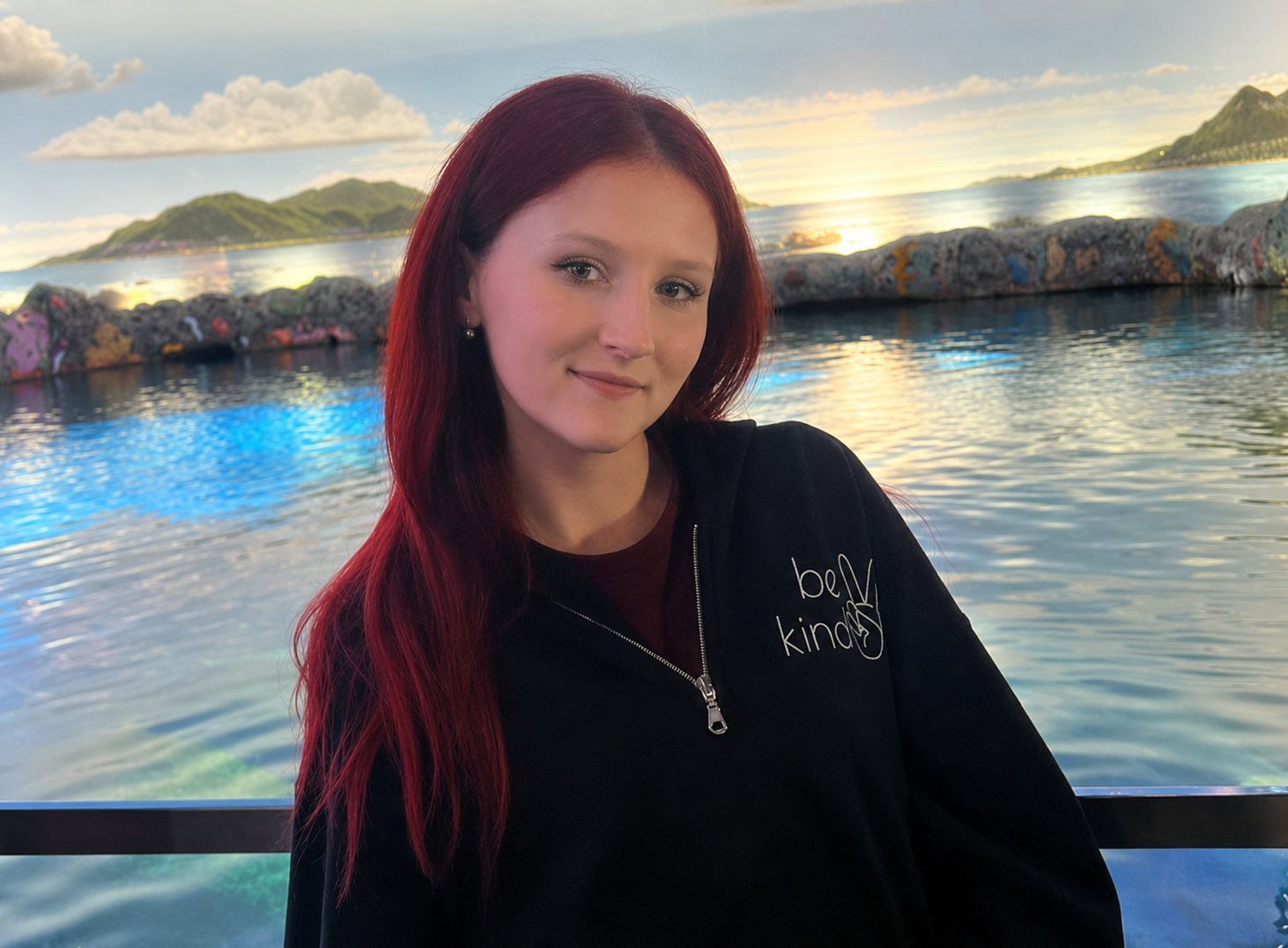
by Mikaela Brewer for The 44 North

Senior Editor


Mikaela Brewer (left) playing college basketball
"It’s not trans women who are the threat—it’s a surveillance-based, misogynist patriarchy. It’s never been about who’s playing the sport—it’s about which men have policing and decision-making power across women’s sports. It’s not about fairness at all. It’s about maintaining a culture of control under the guise of fairness."

As a white, cisgender woman, I had biological advantages playing basketball. But no one threatened my right or ability to exist because of it. I was a bit of a nuisance on the basketball court—in the best way. I’m ~5’10” (probably closer to 6’0” in basketball shoes), but my wingspan is over 6’2,” and I could borrow my 6’4” teammates’ jeans. On defence, I deflected many passes that the other team’s point guard didn’t think I could reach or get to in time. But I did. With such long arms and legs—a “biological advantage”—why didn’t I have to prove my gender to play for Stanford University or Team Canada? Because what’s happening to trans women in sports right now isn’t about biological advantage. It’s about policing women’s bodies. And it always has been.


For our July/August 2024 issue at The 44 North, I wrote a short story titled Hope Tracks, a fictional narrative about two high school students, siblings Lena and Sam, as they prepare for track season. One morning, before their first run of the upcoming school year, the two confront one another in their family kitchen—one sibling is a trans woman, and the other’s curiosity isn’t neutral. The story explores mental health, community, activism, friendships, misinformation, family, high school, and racism. I’d love for you to read it, especially now as trans people—particularly women and non-binary athletes—are violently and invasively attacked and investigated. It’s a vehement myth that this isn’t happening in Canada. It very much is.


Via CBC News: Alberta’s new ban on trans women athletes (12+) will not only require schools, universities and sports clubs to exclude and bar trans women and girls from competing, but report and investigate—via the athlete’s sex on their birth records—eligibility complaints to the government, including the results of the challenge. This ban impacts nearly 90 sports organizations in Alberta. It requires an athlete’s parent or guardian to “confirm in writing that the athlete qualifies under the law to play in a female league.” Boards will be encouraged and empowered to impose “reasonable sanctions” against any “bad faith” challenges launched.


Alberta’s United Conservative Party government says the ban seeks to safeguard the “integrity of female athletic competitions by ensuring women and girls have the opportunity to compete in "biological female-only divisions.”” Further, Linda Blade, a coach and former president of Athletics Alberta, said the ban is “not anti trans, it's not anti-anything. It's pro-women.” Please read more here: Birth records will be key in Alberta's new ban on female trans athletes, regulations show (CBC News), Alberta’s transgender ban in sports exempts visiting out-of-province athletes (Global News), Liberal government 'monitoring' Alberta law banning trans athletes from female sports (National Post). 


These regulations are immeasurably harmful and violent. And they’re not at all “pro women.” In Hope Tracks, Lena shares a quote from Schuyler Bailar, the first trans D1 NCAA men’s athlete: 


“People often forget that in order to exclude trans women, you must police all bodies in the women’s category. Any girl or woman can be accused of being transgender. At what point is a girl “too good,” “too masculine,” or “too tall,” or “too strong,” or “too fast” to be accused of being trans? The attempt to exclude trans women is the legal enforcement of the policing of all women’s bodies. And this disproportionately affects those of colour, especially Black women and girls who already suffer anti-Blackness and misogyny (misogynoir) and are often portrayed as not woman enough due to white supremacy. Ask yourself: Who is ‘woman enough?’ The inclusion of trans girls in girls’ sports does not threaten girls’ sports. Instead, the exclusion of trans girls leads to the destruction of girls’ sport through the enforcement of misogynistic and racist standards of girls’ bodies.”


Further, Violet Stanza’s video excellently and thoughtfully notes that research on “biological advantage,” often applied to sports, comes from the military. Via military data, after two years on HRT, trans women raced the mile similarly to cis women, and after four years, matched max sit-ups in a minute. 


Importantly, Stanza asked another question that haunts me: will we only accept trans women in sports if they’re not competitive—if they’re ‘bad?’ Is this what we should be telling trans women—and because this fight isn’t about who is more ‘pro-women’—all women? That they should only ever aspire to mediocrity so as not to be ‘transvestigated?’ 


There will always be biological advantages in sports—height, weight, wingspan, shoulder width, etc. And truthfully, the real threat is embedded in the anti-trans rhetoric and catch phrase: “Keep men out of women’s sports.” It’s not trans women who are the threat—it’s a surveillance-based, misogynist patriarchy. It’s never been about who’s playing the sport—it’s about which men have policing and decision-making power across women’s sports. It’s not about fairness at all. It’s about maintaining a culture of control under the guise of fairness.


So let me answer Schuyler’s question: when did I feel afraid or threatened? It was when my sexuality was pried into, my food intake monitored, or my body fat and weight weaponized. It was when I was reminded of my ‘selfish’ choice to clash being an athlete with being an ‘acceptable’ woman, ‘jeopardizing’ motherhood. It’s each of these wrapping around our throats, choking what women can do and who women can be into such a thin straw that it becomes a feeding tube. We may have forgotten it’s there because we can’t taste it, thinking we’re safe and protected. We’re not. And especially for those of us who are current or former athletes, we have to speak up.

by Asante Haughton & Helena Nikitopoulos, ​for The 44 North


A father with dark curly hair & a beard kissing his baby son on the cheek
"The journey toward being a good guy isn’t one of weakness, it is one of strength. To reflect on where I have failed and how I try to grow isn’t to garner sympathy or redemption points, it’s to help create more happiness for myself with the understanding that being a kind, compassionate, and emotionally healthy person will invite healthy relations from others."​

Foreword

by Helena 


While I am a woman myself, I empathize with the pressure society has instilled on our male population. I have never seen my father cry, nor have I seen a man cry without shame. What type of society is that? When women cry, we applaud them for their strength. Why can’t we do the same for our male counterparts — the men in our lives who are told to “stand up straight and smile,” even if they are silently carrying depression or the weight of everyday struggles? 


Why do we advocate for the freedom of expression except when it comes to men?


In rebuttal to this, I leave you with my thoughts on healthy masculinity in the hopes that we can open up more conversations about its impact and importance. 


Healthy masculinity is a term and practice that challenges harmful stereotypes, suggesting that men must be “tough” or conform to a narrow idea of what a man “should” be. Healthy masculinity encourages men to embrace all aspects of their true self, including their emotions of vulnerability, empathy, and authenticity. 

While society might expect a man to shut down or hide his feelings from those around him, healthy masculinity takes an opposite stance; it makes space for vulnerability, for sharing one’s fears, grief, or hopes without shame. Supporting others who demonstrate healthy masculinity, encouraging their growth, and celebrating their successes are ways that men can show up for one another in healthy, positive ways. This can look like checking in on a friend who is struggling, listening without judgement, or complimenting a friend for putting their own well being first — all of which build a supportive, non-competitive environment.

Another key element of healthy masculinity is rejecting the shame society places on men who do not conform to the ‘alpha male’ stereotype, refusing to let that narrative dictate their lives. Only by confronting these stereotypes directly and recognizing their harmfulness can one truly embody what healthy masculinity means. Emotional literacy — learning to identify, express, and regulate your feelings without fear of judgment — allows men to build stronger relationships and a deeper sense of self-awareness. Practice answering questions about yourself and your identity to hone in on who you are despite societal pressure: When do I feel most authentic in my actions and emotions? Which values truly guide my decisions? How do I express my emotions in my friendships and relationships? What strengths do I have beyond traditional ideas of masculinity?

Of course, these ideas are easier to talk about than to put into practice. Many men grow up without seeing these qualities modeled in their homes, communities, or media which creates a gap between those who are exposed to healthy masculinity and those who are unsure of what it actually looks like. As a result, I encourage our male readers to discuss this article with your friends, your peers, and your mentors. I firmly believe that the more we have these conversations, the closer we get to defining — and embodying — “healthy masculinity.” Of course, be patient as you navigate these unsteady terrains. As Asante’s story reveals, you are meant to face trials and tribulations as you discover what healthy masculinity truly means, so do not let that discourage you. 

As for us women, we should continue encouraging and supporting our male counterparts when they share something personal or vulnerable in order to create a space where men feel safe to open up without fear of judgement, ridicule, or dismissal. If feelings of discomfort or confusion come up the next time you see a man cry or express his vulnerability, ask yourself why. What beliefs or social “norms” might be shaping your reaction and do those beliefs truly align with the kind of empathy and equality you want to practice? After all, learning to be a more accepting and positive society does not just fall on the men but on us women as well—because only by coming together can we truly create a culture where everyone thrives. 

A Brain Dump

from Asante 


I look behind me and cringe. There is a trail of hearts, broken and frayed, in my wake. The truth is jarring. I’m the one responsible. I never wanted to be a bad guy. But I was. And I often worry that I still am, even though I’m trying my best.


When I’ve caused harm I’ve often rested on the excuse that I was “trying”. I didn’t know any better. That is true. Well, partially. Sometimes I did know better, but prioritized my own feelings and desires anyway. I wonder if I made those decisions because of arrogance. Or immaturity. Or a lack of compassion. I placed myself above others, particularly many of the romantic partners — women — of my past. Of course, I’m not proud of this admission. But I must admit this nonetheless. I was the nice guy — manipulative in my generosity. I was the bad guy — dismissive, withdrawn, unreliable, willfully mysterious. I feigned goodness while living out many of the tropes of toxic masculinity. Don’t be sympathetic. I’m just being honest. 

With respect to doing my best — I often told my romantic partners, who were upset with my behaviour, that I didn’t know how to be a partner. I didn’t witness any healthy romantic relationships in my household growing up. All of my friends came from single parent households. And my mother very intentionally raised me and my brothers away from the other men from my culture — Jamaica — hoping we wouldn’t become as bad as the men who had mistreated her and other women she’d known back home. Furthermore, the older men I was exposed to, regardless of ethnicity or nationality, weren’t exactly the kind of men I wanted to be like. They lied. They cheated. They conceptualized women as trophies, toys, and objects to conquer. I deigned to never be one of those guys. And yet…

The media is a powerful force. Though I had very little contact with older men from whom to learn — good or bad, probably bad — as a very lonely child, a latchkey kid if you will, I was a copious consumer of media. And the guys in the media, even the good guys — the heroes in the story — upon closer examination are generally awful. So whether in real life, or in fiction, any examples of manhood I was exposed to lacked the features that a good man should hopefully exhibit. But these heroes, the good guys, became who I thought I should be.

So, after intentionally shedding the most obvious of my bad boyfriend behaviours in my mid-20s, and after deciding to actually try my best as a partner and parent, I was still missing the mark. I wasn’t just off target, my darts weren’t even hitting the board. Each time I hurt someone I cared about, I committed to being better. I went on learning journeys consuming everything I could find on the internet about being a good guy — not the Andrew Tate, red pill, MGOTW type stuff but the actual supposed-to-be-helpful-stuff — and implemented it all as best I could. It worked marginally. Even when following all the advice I could find on the internet, I still sucked at being a good guy. The internet, as we know, provides surface level advice that lacks both depth and nuance (y’know, the stuff that truly defines personal relationships). More than that, the good guys authoring the content I consumed were likely “good” by their own estimation but not in reality. The quality of their advice wasn’t being measured by those in the best position to judge goodness, namely women. 


I had no teachers in real life who I trusted, none in media or works of fiction, and the advice section of the internet was inadequate. So where was I — am I — to learn how to be a good guy? I can’t keep putting the labour of teaching me on my partners, past and current. That’s not fair to them. 

The missives explaining toxic masculinity tell you how not to be — but often don’t explain how to be. So I’m often left feeling lost, wondering where to turn for genuinely good wisdom and guidance on how to be the guy I want to be; the guy the people I love and people of all identities deserve. My compass is spinning. Where is my healthy masculinity north star?


On my quest to become a good guy I had to go farther. I explored many roads. The most important of which were lined with sign posts that pointed toward men like Jason Wilson, a martial arts teacher whose content centers around how he helps the boys and adolescent men in his dojo identify, process, and become accountable to their emotions and how they express them. The primary message? Experiencing negative emotions like hurt, shame, sadness, frustration and anger as a man is normal. They don’t make you weak. And it is better to feel them than to direct them toward others through violence and abuse in an effort to reclaim the false sense of masculinity men are conditioned to believe comes from dominance and displays of power that hurt others. Jason Wilson’s content has been immensely helpful in recognizing and unpacking the false ideas of masculinity that I was wearing like a cloak.

Another sign post on my journey pointed me toward feminist scion, bell hooks. Particularly her work, “All About Love.” I was pointed toward this book by a friend who thought I would benefit from the wisdom within. It didn’t take long for me to get the message — love is comprised of actions that one commits to — it’s not a feeling. Love is to treat someone with kindness, respect, and gentleness. It is to consider someone’s past, present, and future condition and how one’s actions can either cause harm or bring solace across these dimensions. To be direct, to love someone is to treat them well and protect them from hurt derived from your actions. Love is action.

The final signpost on my journey that I’ll mention is feminism itself. Disclaimer: I don’t purport to be a feminist. That is not a title any man should bestow upon himself. We, however, can learn from the experiences of women to listen and very deeply critically reflect on how constructions of manhood and patriarchy have been and continue to be harmful to women in all areas of life. The damage men have done and continue to do to women is pervasive. But here’s the kicker, the things we do that are harmful to women are also harmful to us as men as well. 

Some expressions of masculinity men have come to accept as normal aspects of being a man — such as keeping one’s complex emotions to oneself, engaging in performative stoicism,  and utilizing violence to assert power — contribute to the loneliness more and more men are experiencing. It is difficult to maintain friendships and romantic relationships if one doesn’t approach others with thoughtful gestures, open communication, integrity, accountability, reliability, vulnerability, and actions that bring others closer as opposed to actions that create distance — the building blocks of intimacy.


With respect to the above, many men read these things as meaning they have to abandon any proclivities toward competition, healthy displays of physical strength, and the drive to protect their loved ones. This is not true. What we need to do is to integrate healthier modes of expression into our toolbox. In doing so, we gain the opportunity to fully express our humanity. And by creating less discord for others and within oneself, we will invite more love and happiness into our lives. 

The journey toward being a good guy isn’t one of weakness, it is one of strength. To reflect on where I have failed and how I try to grow isn’t to garner sympathy or redemption points, it’s to help create more happiness for myself with the understanding that being a kind, compassionate, and emotionally healthy person will invite healthy relations from others. Most of all, my journey toward being a good guys is to be a good example for my two sons. My greatest priority as a parent is to raise good men. In order to do that I have to become a good man myself. I don’t know if I am yet — that’s not for me to decide. But I will keep trying every day. Because to be a good man and to raise good men, is to help create a better world for us all.

bottom of page