
- Lillian Currie
- May 14
- 9 min read
Updated: May 20
by Lillian Currie for The 44 North, Guest Writer
"Belonging is more than simply being allowed into a space. Belonging is knowing your humanity will be respected once you are there."
Language is often referred to as “just words.” But anyone who has ever walked into a classroom and suddenly felt smaller because of a joke, comment, nickname, or even silence knows that words are never just words.
Words shape how people are treated.
They shape who feels safe enough to speak.
They shape who is defended and who is left behind.
In schools, language quietly shapes the atmosphere. It can make a classroom feel welcoming, and just as easily make someone feel they’re only surviving the day instead of truly belonging there. One sentence can stay with a person long after the bell rings.
Anti-Black language in schools is not always obvious. Sometimes it’s a racial slur yelled across a hallway. Other times it hides behind “jokes,” stereotypes, or comments that people dismiss as harmless. It can sound like a surprise when someone tells a Black student, “Wow, you’re so articulate,” as if intelligence were unexpected. It can appear in assumptions about attitude, behaviour, or intelligence. It can appear when Black students are punished more harshly than others for the same actions. And sometimes, the most painful part is not what’s said, but what’s not said: The silence after racism happens—the silence that makes students feel completely alone.
That silence can hurt more than the words themselves.
People often think courage and vulnerability are opposites. Courage sounds fearless and strong, while vulnerability sounds exposed and uncertain. But when it comes to confronting anti-Black language in schools, the two are deeply connected. Real courage requires vulnerability. Speaking up means risking awkwardness, rejection, conflict, or isolation. It means saying something even when staying quiet would be easier. It means caring more about another person’s dignity than your own comfort.
For many Black students, vulnerability is not a choice. It happens the moment they walk into spaces where they feel pressured to monitor how they speak, act, or express themselves. There’s a constant awareness of how they might be perceived: “too loud,” “too angry,” “too intimidating,” or “too ghetto.” That pressure is exhausting. It means code-switching and rehearsing your tone before asking a question in class. It means wondering whether defending yourself will make you seem “aggressive.” It means hearing stereotypes repeated casually and then being told, “It’s not that serious,” when it hurts.
One of the hardest things about harmful language is how quickly people focus on intention instead of impact. Students excuse comments as “just jokes.” Teachers sometimes overlook harmful remarks because they were not “meant badly.” Friends defend each other by saying, “That’s just how they talk.” But words don’t stop hurting simply because someone claims they didn’t mean harm. Pain doesn’t disappear because the person who caused it was laughing.
One of the most dangerous things schools can do is allow harmful language to become normal. When anti-Black comments happen so often that people stop reacting, it sends a message. It tells Black students that their pain is something they’re expected to handle quietly. It teaches others that racism only matters when it’s ‘extreme enough’ to make national news.
But racism doesn’t start with headlines.
It starts with what people allow.
It starts when someone says the n-word and nobody corrects them.
It starts when Black hairstyles are labelled “unprofessional.”
It starts when Black students are punished for behaviours others are excused for.
It starts when teachers avoid conversations about race because they’re afraid of getting uncomfortable.
It starts when students decide silence feels safer than speaking up.
But silence is never neutral. Silence protects harm by allowing it to continue.
As someone who is white, I think it’s important to recognize that confronting anti-Black language cannot only fall on Black students or students of colour. Too often, the people most harmed by racism are also the ones expected to carry the full responsibility of addressing it. But white students, teachers, and community members should also carry responsibility to challenge anti-Black racism, especially in moments where silence feels easier. During my last years of middle school, I constantly overheard predominantly white peers calling their friends racist, stereotypical names like “monkey” or “gorilla” as a joke. At the time, I didn’t dare to say anything—I didn’t have the courage to.
I still remember hearing the laughter surrounding those comments, and I feel uncomfortable as if it happened yesterday.
In those moments, I was afraid of speaking up and making things awkward, especially since I didn’t know the people who spoke those words. What makes these moments especially important to address is that those students are about to enter a new stage in their lives, perhaps with the belief that their language is acceptable. The more we excuse it as humour, or “just joking around,” the more normalized it becomes. Racism doesn’t become dangerous only when it becomes extreme or violent; it becomes dangerous when people grow comfortable enough to stop recognizing it as harmful at all. That’s why courage matters not only in major public moments, but in ordinary everyday conversations where harmful language is allowed to pass unchecked.
There’s a specific kind of loneliness that comes from experiencing racism in places that constantly claim to value inclusion. Schools may hang posters celebrating diversity, hold assemblies about equity, and talk about belonging, while students still feel unseen in everyday life. Representation without accountability becomes performative. Inclusion without action becomes empty.
Real inclusion feels different.
It feels like entering a classroom without preparing yourself to be hurt.
It feels like knowing that if someone says something racist, others will step in before you even have to ask.
It feels like teachers are listening instead of becoming defensive.
It feels like learning about Black history in ways that go beyond pain and oppression to also celebrate brilliance, creativity, joy, resistance, and humanity.
Belonging is more than simply being allowed into a space. Belonging is knowing your humanity will be respected once you are there.
The responsibility to create that kind of environment belongs to everyone, although courage can look different depending on who you are.
For students, courage can mean interrupting a racist joke even when friends laugh or roll their eyes. It can mean saying, “That’s not okay,” even when it risks social backlash. For Black students, courage can mean continuing to speak honestly about experiences people would rather ignore. There is strength in refusing to make yourself smaller so others can stay comfortable.
For teachers, courage means understanding that neutrality is impossible. Teachers shape school culture every day through what they challenge, ignore, or normalize. Courage can mean addressing racism immediately instead of awkwardly moving on. It can mean admitting when they don’t know something and being willing to learn. Some educators avoid conversations about race because they fear making mistakes, but silence often causes more harm than imperfect effort.
Vulnerability for educators means recognizing that good intentions do not erase blind spots. It means understanding that being corrected is not an attack but an opportunity to grow. A teacher willing to say, “I didn’t realize the impact of that comment, but I want to understand,” creates far more trust than one who refuses to listen.
For administrators, courage means going beyond statements and promises. Diversity initiatives mean little if students still don’t feel safe reporting racism. Schools cannot claim to value equity while ignoring unequal discipline, achievement gaps, or student experiences. Accountability is uncomfortable because it forces people to confront systems they may benefit from or contribute to. But discomfort isn’t the same thing as harm. Many students live with discomfort every single day simply trying to exist in these spaces.
What makes vulnerability difficult is that it requires honesty. Nobody wants to believe they may have contributed to harm. Nobody wants to admit they stayed silent when they should have spoken. But healing cannot happen without honesty.
Repair is another form of courage.
Too often, accountability is treated only as punishment. But real accountability is about growth and change. It’s about creating environments where harm is recognized, addressed, and prevented from happening again. Apologies alone are not enough. Repair requires reflection, education, changed behaviour, and consistency.
A student who uses anti-Black language should not simply be suspended and forgotten. They should understand why those words carry so much harm. They should learn the history behind them and the impact they continue to have. Accountability without education can become performative, but education without accountability becomes meaningless.
Repair also means listening to people who were hurt without expecting them to explain their pain perfectly or politely. Black students should not have to become educators while trying to process their own experiences. There is something deeply unfair about expecting people to calmly defend their humanity while they’re hurting.
Social media has made these realities impossible to ignore. Videos constantly surface of students using racial slurs, teachers making discriminatory comments, or Black students being humiliated while others watch and record. These moments remind people that racism is not simply part of history—it still exists in everyday life. But social media also reveals how quickly people rush to defend harmful behaviour instead of confronting it. Comment sections fill up with excuses like, “They’re just kids,” or “Everyone is too sensitive.”
What those responses fail to recognize is that harmful language shapes environments long before visible violence occurs. History has repeatedly shown that dehumanizing language allows people to tolerate dehumanization itself.
At the same time, social media has also revealed incredible courage. Students organizing walkouts. Young people sharing their experiences publicly despite fear. Communities demanding accountability from schools that ignored racism for years. There’s power in people refusing to stay silent. Every person who speaks up makes it easier for someone else to do the same.
Still, courage in real life is usually quiet. But that doesn’t make it less meaningful.
It’s the student sitting beside someone who feels isolated after a racist incident.
It’s the teacher checking in privately with a student who seemed hurt after a discussion.
It’s the friend saying, “That wasn’t funny,” even when nobody else does.
It’s the administrator willing to listen without becoming defensive.
It’s the parent teaching empathy before prejudice has the chance to take root.
These moments may seem small, but school culture is built from moments like these. Harm builds over time. So does healing.
The future I hope for is not one where schools become perfect overnight. Bias does not disappear instantly. But I hope for schools where students no longer carry these burdens alone. Schools where anti-Black language is challenged immediately, not because policies demand it, but because people genuinely care about one another’s dignity. Schools where vulnerability is seen as strength instead of weakness.
I hope for classrooms where conversations about race are approached honestly instead of being avoided out of fear. Where Black students do not have to wonder whether their experiences will be believed. Where inclusion is not treated as a yearly event, but as something practiced daily through language, actions, leadership, and accountability.
Most importantly, I hope for a future where students no longer confuse endurance with belonging.
Because surviving a school environment is not the same as feeling safe in it.
The deepest wounds caused by harmful language are often invisible. People remember the slurs, but they also remember the hesitation. They remember who looked away. They remember who stayed silent. They remember sitting frozen while others laughed. They remember learning, sometimes very young, that their dignity depended on how much discomfort others were willing to tolerate.
That is why courage matters so much.
Courage is not about being fearless.
It’s about choosing humanity even when it’s uncomfortable.
And vulnerability is not weakness. It’s caring deeply enough that staying silent no longer feels acceptable.
To build schools rooted in dignity, accountability, repair, and inclusion, people must first be willing to face uncomfortable truths. They must be willing to unlearn harmful language, challenge systems that normalize harm, and truly listen to experiences beyond their own. That work is difficult, but maybe education was never only meant to teach academic success. Maybe part of its purpose is teaching people how to care for one another ethically and compassionately.
Language will always shape school culture. The question is whether it will create environments where some students are merely tolerated or environments where every student feels genuinely seen, respected, protected, and valued.
And the answer depends on whether enough people are willing to speak, willing to listen, and willing to change.

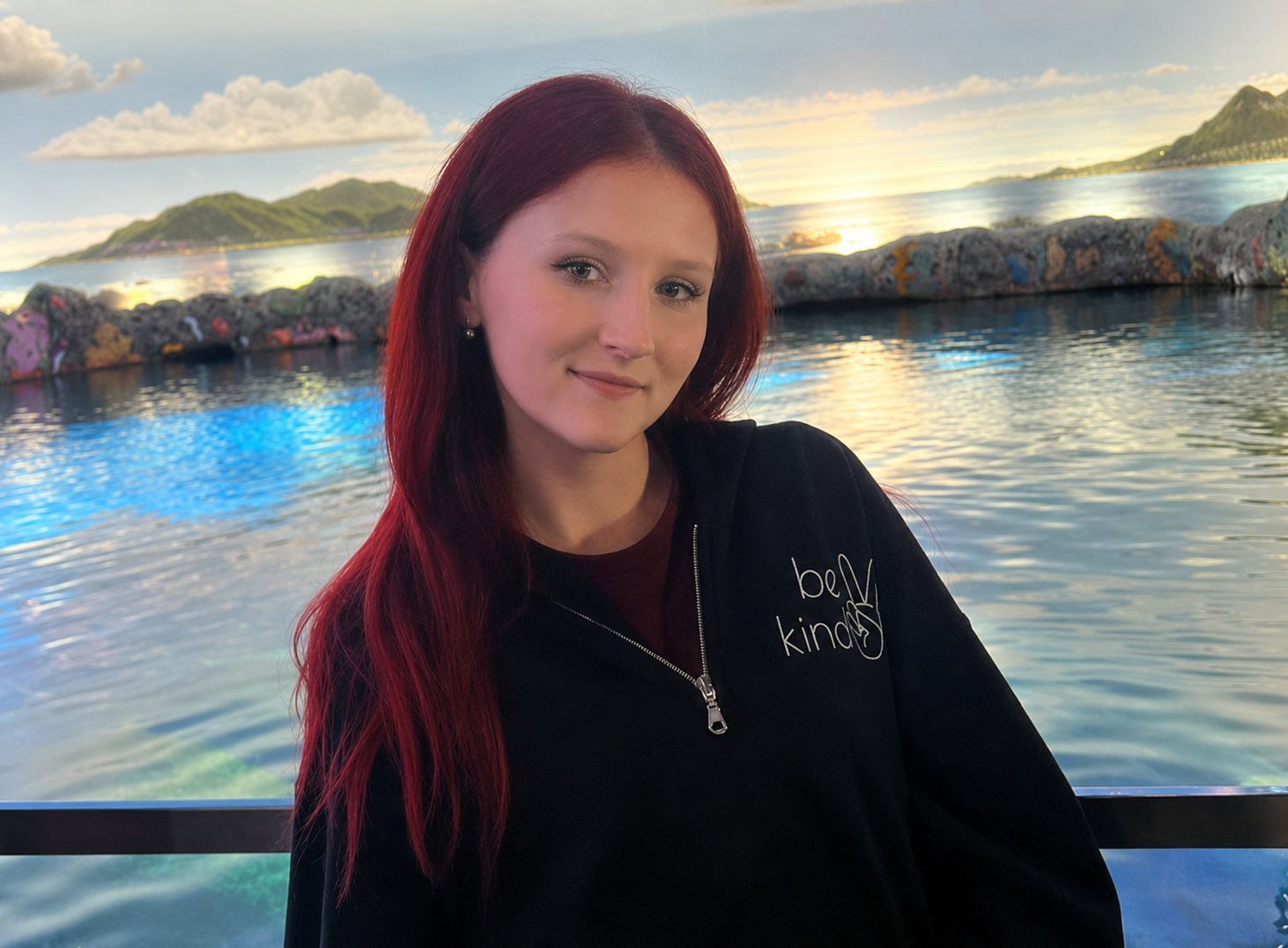
Lillian Currie is a creative and compassionate high-school student with a strong interest in helping others and making a positive impact in her community. She is passionate about pathways involving children and youth, including social work and pediatric healthcare, and enjoys studying topics such as criminal law, history, and sociology.
Outside of school, Lillian is highly involved in her community. She is an active Youth Steering Committee Member for the Women in Leadership Foundation and also serves on the youth council for Harmony Movement. In addition, she works closely with the Glocal Foundation of Canada, contributing to the writing and research of academic papers. Through all three volunteer opportunities, she has accumulated nearly 200 volunteer hours.
Beyond academics, Lillian is passionate about dance. She has been dancing recreationally for three years and competitively for two, already achieving notable success in her dance journey. She is known for being kind, hardworking, and dedicated to supporting the people around her while continuing to grow both personally and academically.


